Once the initial pain of losing a tooth as an adult fades, it may not feel very urgent anymore. The gap closes over, chewing adjusts, and life moves on, so it’s easy to tell yourself you’ll deal with it later. However, waiting until later is where the real trouble starts, because a missing tooth rarely remains as an isolated problem. It sets off changes in the jawbone, the surrounding teeth, and your bite that builds quietly for months or years before becoming too obvious to continue to ignore.
At Northside Family Dentistry, we see this pattern often in patients throughout Joplin, Webb City, and Carl Junction who waited on a missing tooth because it did not seem to be causing any harm. Our restorative dentistry team guides patients through what is happening beneath the surface and what their options look like, whether the tooth has been gone for six months or six years.
The Domino Effect of an Untreated Gap
Bone in the jaw stays strong because tooth roots stimulate it every time you bite and chew. Once a tooth is gone, that stimulation stops, and the bone underneath the gap begins to shrink. This process, called resorption, is one of the first and least visible effects of a missing tooth, and it can start within weeks.
Meanwhile, the teeth next to the gap have nowhere to lean, so they gradually shift toward the open space. Teeth above or below can drift too, looking for something to bite against. Over time, this shifting changes your bite, leading to jaw discomfort, uneven wear, and new pockets where food and plaque collect, threatening both your oral and overall health.
Why Waiting Usually Costs More Than Treating It Early
The longer a gap stays open, the more it affects the teeth and bone around it, turning a simple replacement into a bigger project. A bridge that would have fit cleanly a year ago may need neighboring teeth adjusted first if they have shifted or worn down. An implant site with plenty of bone a year ago may need grafting first if bone shrinkage has progressed.
According to the National Institute of Dental and Craniofacial Research, adults between the ages of 20 and 64 have an average of only 26 remaining teeth out of a full set of 32, and tooth loss grows more common with every decade after that. Treating a gap earlier almost always means fewer steps, less time at the dentist’s office, and a more predictable result.
Signs It’s Time to Stop Putting This Off
Most people do not wake up one day and decide to finally address a missing tooth. Instead, a handful of small, easy-to-dismiss signs build up until they are hard to ignore. If any of these sound familiar, it is worth talking with us soon:
- Food regularly gets stuck in or near the gap, no matter how carefully you floss.
- Neighboring teeth feel like they are tilting, loosening, or shifting position.
- Your bite feels different, or one side of your jaw tires out faster when chewing.
- You have started avoiding certain foods because chewing on that side feels off.
None of these signs mean something has gone irreversibly wrong, though they do mean the gap is starting to affect more than its own spot, and that is the right moment to look at what can be done.
How We Handle Replacing a Missing Tooth at Northside Family Dentistry
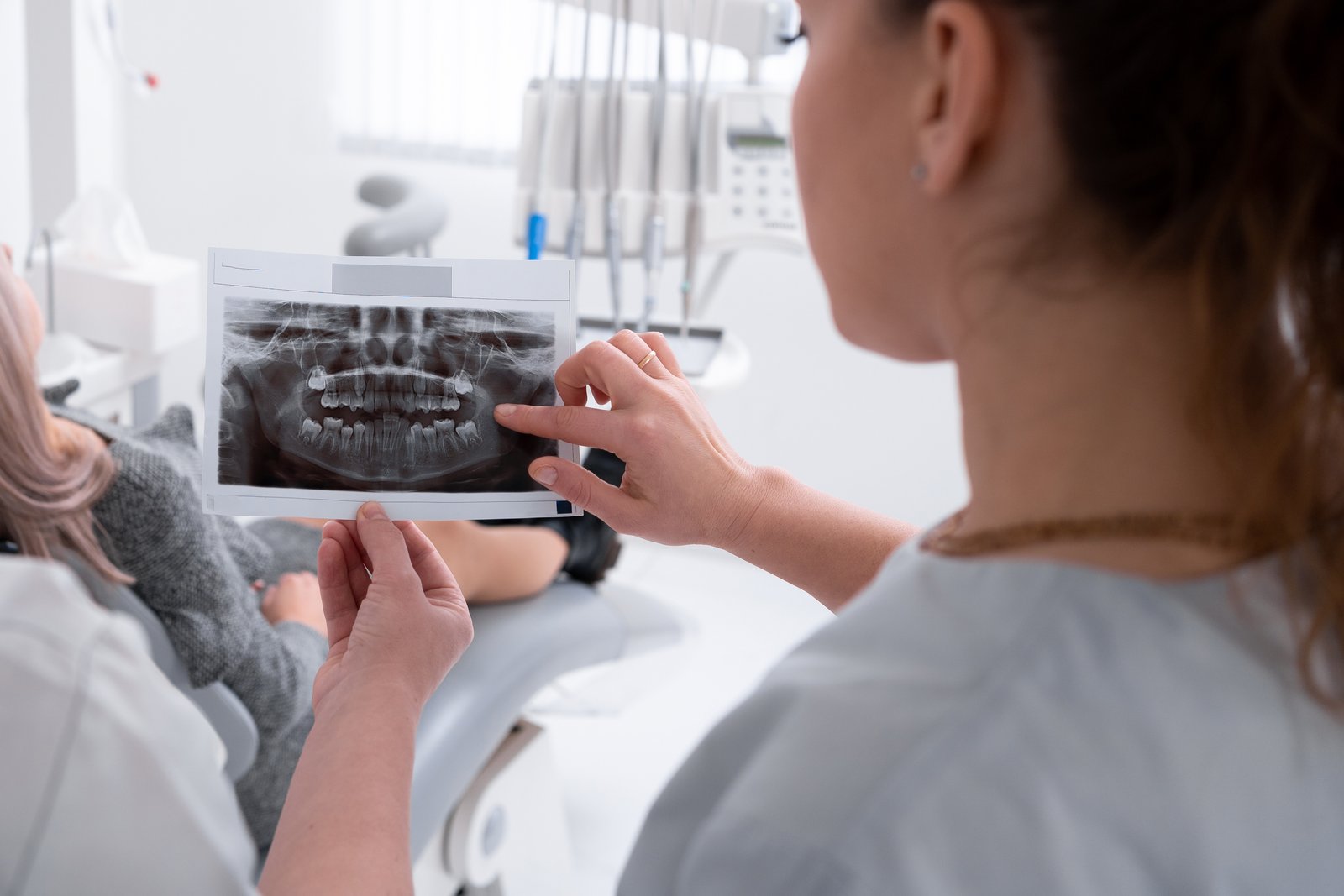
As a general dentist, Dr. Byrne reviews every patient’s realistic options, using our in-house 3D CBCT scanner to see how much bone and space are available before recommending a way forward.
Dental Implants
A dental implant replaces both the missing tooth and its root with a small titanium post topped with a custom crown, standing on its own without relying on neighboring teeth. For those who have enough healthy bone, it is often the option that feels closest to a natural tooth.
Dental Bridges
A dental bridge fills the gap using the teeth on either side for support, anchoring a replacement tooth in place without surgery. It is a solid, cost-conscious option for anyone who is not a candidate for an implant or prefers not to have one.
Dentures
For patients who are missing several teeth in a row or an entire arch, dentures remain a reliable way to restore chewing function and a full smile. Our in-house 3D printer lets us produce certain removable options right here at our practice.
Talk to Northside Family Dentistry About Your Missing Tooth
Dr. Byrne built Northside Family Dentistry around a simple idea: patients deserve honest answers about what is happening in their mouth and what it will actually take to fix it, without pressure toward any one option. His background in public health dentistry shapes that philosophy in every appointment.
Whether your gap is brand new or has been there for years, the sooner we take a look, the more options you will likely have. Contact us today to schedule a visit and find out what replacing your missing tooth would involve.