Most people have heard digital X-rays mentioned at some point, but few know what actually happens behind that small sensor and quick click, or whether they’re safe. The short answer is yes, digital X-rays are safe, and they use far less radiation than the film-based X-rays many of us grew up with.
At Northside Family Dentistry, Dr. Andrew Byrne and the team rely on digital X-rays as a routine part of preventive care, giving families in Joplin, Webb City, and Carl Junction a clear look at what’s happening below the surface of a smile. Understanding how the technology works, and why it’s considered one of the safer tools in modern dentistry, can make a visit feel a lot less mysterious.
How Digital X-Rays Work
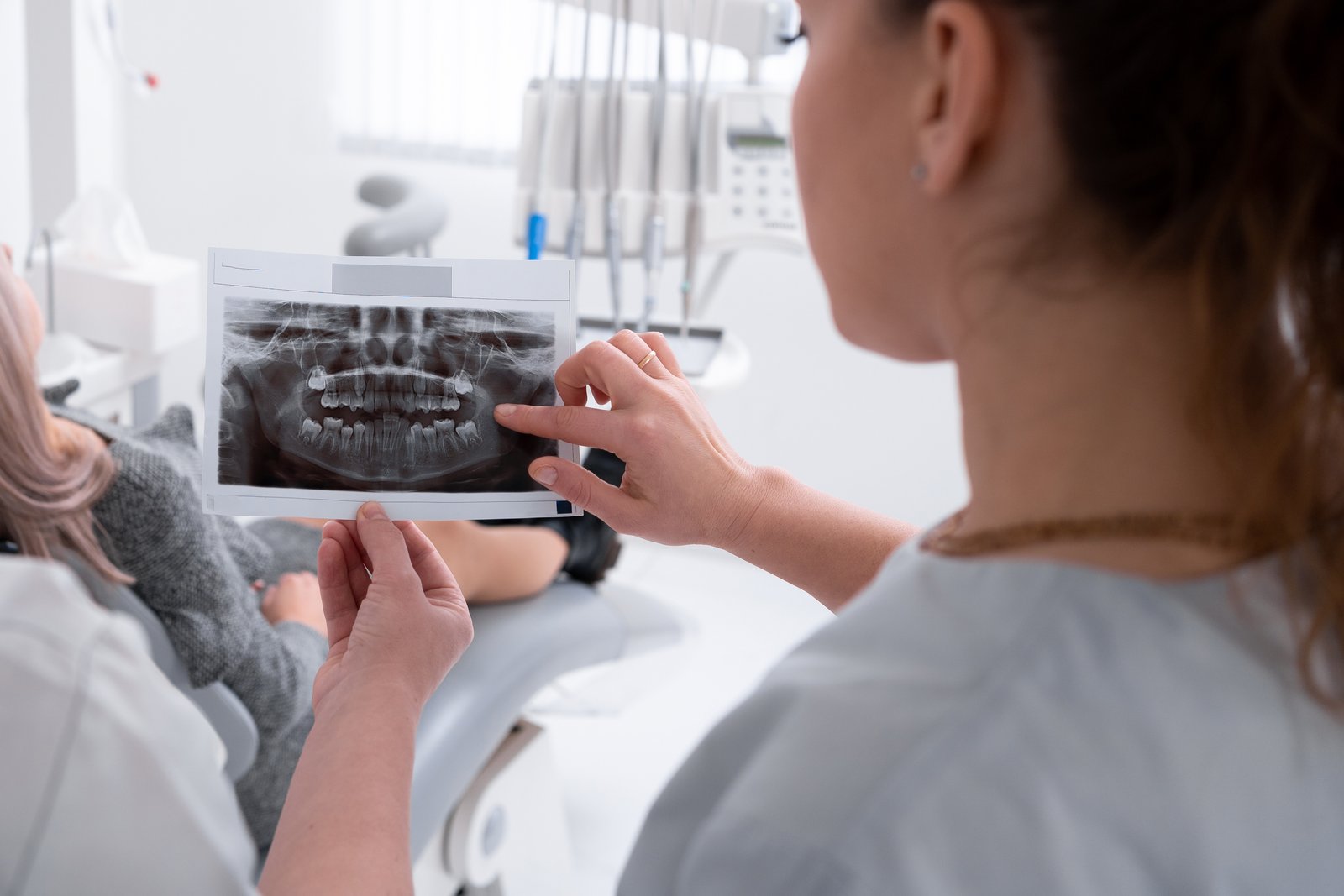
Instead of the paper-thin film used in the past, digital X-rays capture images with a small electronic sensor placed inside the mouth. When the sensor is exposed to a low dose of radiation, it sends the image straight to a computer screen in seconds rather than the minutes it used to take to develop film.
That speed also means the image can be adjusted right away. A dentist can zoom in on a specific tooth, brighten a shadowy area, or compare the new image side by side with an older one from a previous visit. This kind of digital imaging pairs well with our other in-house dental technology, giving our team a fuller picture of your oral health without extra appointments or outside referrals for basic imaging.
Digital sensors additionally tend to be more comfortable than the older film packets, which had sharp edges and bulkier shapes. Many patients notice the difference immediately, especially anyone who has had dental X-rays taken years apart and can compare that experience firsthand.
Why Digital X-Rays Are Considered Safe
Radiation exposure is the most common concern patients raise, and it’s a fair question to ask before any imaging is done. According to the American Dental Association, modern digital equipment and a more targeted beam size help protect patients from unnecessary radiation exposure to other parts of the body, and recent guidance has moved away from routine lead aprons and thyroid collars for this reason. Digital sensors simply require a smaller dose than older film to produce a usable image.
Dentists also follow the general rule of only taking the images needed for an accurate diagnosis, rather than a set schedule that applies to everyone the same way. A patient with healthy teeth and gums and no history of dental problems may only need X-rays every couple of years, while someone being treated for a cavity or gum concern might need them more often. This individualized strategy keeps radiation exposure as low as reasonably possible while still giving your dentist enough information to catch problems early.
Benefits of Digital X-Rays
Digital X-rays offer several practical advantages beyond the reduced radiation dose, including:
- Faster results: Images appear on screen within seconds, so there’s no waiting for film to develop to see what’s going on.
- Easier comparisons: Old and new images can be placed alongside one another to track changes over time.
- Simple sharing: Files can be sent electronically to a specialist or insurance provider without printing anything.
- Less waste: No chemical processing or film disposal is involved.
These benefits add up to a more efficient visit for both the patient and the dental team, without sacrificing image quality.
Who Can Benefit From Digital X-Rays?
Digital X-rays are useful for patients of nearly every age, from toddlers getting their first look at emerging teeth to adults tracking long-term oral health. Since the dose is already low, dentists have more flexibility when deciding how often to image growing mouths, which matters for families bringing kids in for pediatric dental care as new teeth come in and shift over time.
New patients also benefit from digital X-rays during that first exam, since a baseline image gives the dentist a starting point for comparison at future visits. Anyone curious about what to expect before that first appointment can review our patient information page ahead of time, which explains what a new patient exam typically includes.
Schedule Your Visit With Northside Family Dentistry
Digital X-rays are one small part of a much larger approach to preventive care, but they play a real role in catching issues early and keeping treatment simple. Dr. Byrne built Northside Family Dentistry around that same idea, treating families throughout the Joplin area with modern tools and an honest, no-pressure philosophy for every visit.
If it has been a while since your last set of X-rays, or if you’re searching for a new dental home for your family, contact our office to schedule an appointment and let us help you take the best care of your smile.